
Classes & Workshops
Upcoming Multi-week Classes
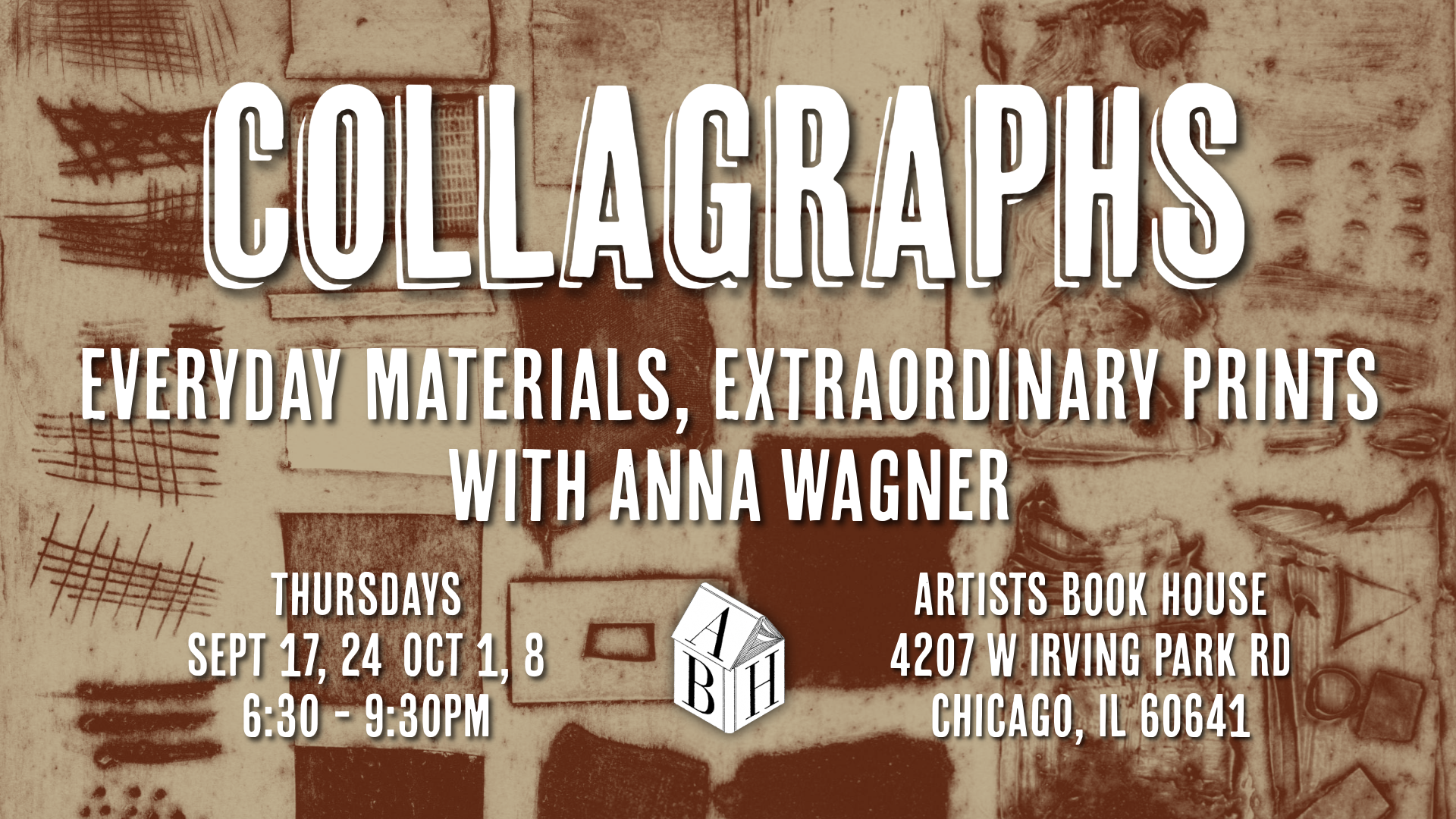
Discover the creative possibilities of collagraph printmaking, a process sometimes called "poor man's etching" for its ability to achieve etching-like effects using inexpensive materials.
Upcoming Workshops
In this two session workshop, students will learn the basics of paper cutting images, and will make a few of their own.
In the first class, students will learn how to make a tunnel book, using a modified structure based on designs by Andrea Dezso. In the second class, students will expand on the Tunnel Book to create a larger and fully collapsible toy theatre that can be used with paper dolls. We’ll make panels like a traditional stage set backdrop.
In this fun hands-on workshop, award-winning cartoonist Marnie Galloway will teach you the foundations of thinking with comics by learning how to make your own diary comics. No drawing, comics-making, or writing experience required: all levels of ability are welcomed!
In Tunnel Books, students learned how to assemble a single, dimensional image using layered paper cuts sewn into a collapsible structure. Like tunnel books, carousel books create tiny worlds in miniature, but the structure allows for multiple vignettes to be viewed, either linearly or in the round.
Past Classes & Workshops
Linoleum block prints are a popular introduction to relief printmaking, but few people venture beyond the one-color print. Reduction printmaking is a process by which a single block of linoleum is carved, printed, carved, and then printed again, creating a multi-color print with perfect registration.
An introductory-level course for individuals with little to no experience making books, with an emphasis on using recycled and repurposed materials such as cardboard boxes, food packaging, and found objects. Participants will learn a variety of book techniques, including zines, pamphlets, accordions, and several spine-sewn books.
Regin Igloria, visual artist and founder and director of North Branch Projects (NBP), has been leading Community Binding workshops throughout the Chicagoland area (and beyond) since 2010. These monthly workshops introduce bookbinding skills and techniques to participants in a collaborative setting. Various binding techniques are covered, including variations on hand-sewn pamphlets and zines. Prompts are incorporated in the process to build content within the books, and instructional handouts and samples are shared, offering expanded resources to explore the medium beyond the work session.
Ideal for sketchbooks and journals, the buttonhole stitch is a versatile and functional book for multiple uses. This non-adhesive bookbinding method allows for a continuous front-to-back cover format with multiple signatures. Participants will be introduced to a variety of methods for approaching the creation of this unique book using traditional and repurposed materials. No previous experience is necessary, and all materials and tools will be provided.
An introductory-level course for individuals with little to no experience making books, with an emphasis on using recycled and repurposed materials such as cardboard boxes, food packaging, and found objects. Participants will learn a variety of book techniques, including zines, pamphlets, accordions, and several spine-sewn books.
Stab bindings are a useful and decorative non-adhesive binding technique that works well as ledgers and sketchbooks. Students will learn four traditional Japanese stab bindings and will be introduced to endless possibilities of patterns using this method. All materials and supplies provided, and no experience is necessary.
This course focuses on learning a variety of styles to create journals and sketchbooks that lay flat for multiple uses. Ideal for those who want to write, draw, use mixed media, or use the book format for collecting and gathering information. The course is intended for those with little to no experience in the book arts. It also presents an opportunity to explore content-building techniques, experiments with prompts and processes, and using other artists’ methodologies as inspiration.
Have you ever wanted to know how a hardcover book is constructed? Are you looking for the perfect sketchbook filled with your favorite paper? The Introduction to Bookbinding course will introduce students to bookbinding tools, materials, and terminology.
This class introduces students to the building blocks of paper engineering: pop-up shapes, pull tabs, pockets, and more. Students will learn how paper engineering can serve as "animated illustrations" for narratives, in the simplest of greetings cards or the most complicated of artist books.
Like tunnel books, carousel books create tiny worlds in miniature, but the structure allows for multiple vignettes to be viewed, either linearly or in the round. In this class, students will learn two carousel book structures: a single segment structure which can be combined with others to form a completed carousel book, and a multi-segment book, where the segments are created together from strips of paper and then sewn into the final structure.

In Articulated Paper Dolls, students will learn how to design and construct their own jointed paper dolls that can move and emote. While these dolls are great for play, their full range of motion also makes them perfect for stop motion animation, puppetry, and book arts.

Join instructor Melissa Jay Craig in this 6 hour workshop in which you will learn to experiment with Kozo fiber. The techniques learned in this class require minimal equipment and students will be able to replicate what they learn at home.

In this hands-on workshop, award-winning cartoonist Marnie Galloway will teach you the foundations of thinking with comics by learning how to make your own diary comics.

Relief printmaking has countless applications for illustration and book arts, but it can often require expensive equipment, dangerous solvents, and lots of studio space. In this workshop, students will learn three methods for relief printmaking at home using solvent-free materials and a small tabletop press -- or even just a wooden spoon.

In this workshop, students will develop unique landscapes, specifically cityscapes, out of collaged images.

So you want to write for youth and you’re new to the business? Great. But writing stories for kids means going beyond the fun of a great idea. You must grasp the secrets of the industry while also mastering plot, word choice, word count, and voice. This workshop digs deep into the layers that create strong stories.

Participants will learn the technique of pulp painting, creating imagery within sheets of handmade paper using plant pulp as a medium. We will design and cut our own stencils using nature as our inspiration. Then we will create sheets of paper, including round sheets, in keeping with the theme of the Treewhispers project. Participants will apply colored pulp using their stencil forms to the fresh sheets of paper. The wet sheets can be taken home to dry. Wear clothes that can get wet.
This is a workshop for fiction writers, or anyone interested in creating characters for comics, graphic novels, creative non-fiction, etcetera. Students will concentrate on techniques for building groups of characters with complex interior lives and interesting relationships.

Kozo fiber, the inner bark of the paper mulberry tree (Broussonetia papyrifera), makes beautiful, ethereal yet strong traditional papers. It is also a fascinating material in and of itself. Its strands separate into luscious lace-like patterns; it can be cast over objects and layered for strength, pounded into heavy sheets, or used to make delicate bark drawings.

